
beabadoobee – Pylon
★★★★☆
Beabadoobee turns up the volume on a heavier, more textured fourth album without losing her melodic identity.
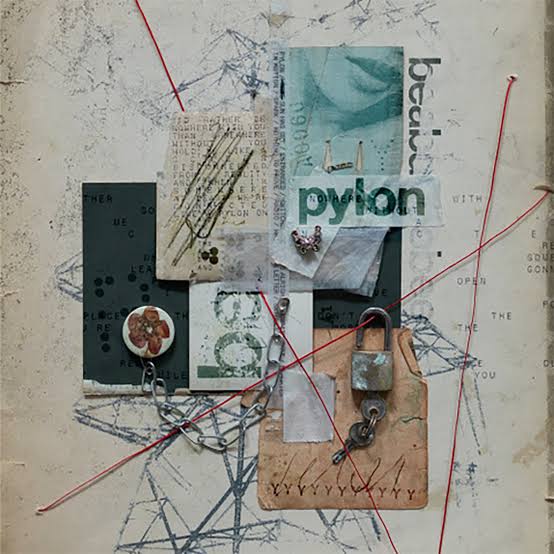
There is something immediately different about Pylon. Beabadoobee opens her fourth album with its title track, beginning with acoustic guitar and haunting vocals before slowly introducing more layers. The guitar tone changes; the bass begins to push through and what starts as something intimate gradually becomes much heavier.
It is an opening that tells you exactly where this album is going without giving everything away.
After the more polished sound of This Is How Tomorrow Moves, Pylon feels like Beabadoobee has allowed herself to get louder. The acoustic guitar is still there, as are the catchy melodies and softer vocals, but they are now surrounded by distorted guitars, heavier bass and a clear influence from the alternative rock and Midwest emo that has been present in her music for years.
The difference is that this time, those influences feel much more prominent.
“Sun Has Set” is where the change really starts to show. The guitar tone is heavier and the whole song feels more immediate, but it still has the sort of melody that makes Beabadoobee’s music so accessible. There is anger underneath it too. She has spoken about many of the songs on Pylon coming from things she wished she had said, and “Sun Has Set” sounds exactly like that feeling turned into a guitar song.
Then comes “Switchblade”, with one of the album’s best guitar riffs.
There is a very clear Midwest emo quality to it, but the production keeps it from becoming a straight throwback. The bass gives the guitar something to sit against, while Beabadoobee’s vocals remain relatively soft. That contrast is one of the things that makes the album work so well. The music can become aggressive without her having to change who she is as a vocalist.
It is a pattern that continues throughout Pylon. The album starts in a darker place before gradually becoming brighter, but the heavier sound never completely disappears. Instead, the two sides constantly meet. A softer acoustic passage can suddenly become a wall of guitar, while a heavier track can pull itself back and give the vocals space.
“Write Me A Letter” is one of the best examples of this. It gives the album a change of pace without feeling like it has stepped outside of the record. The acoustic elements make it feel lighter at first, before the guitars bring back that weight.
That attention to texture is one of the strongest things about Pylon. The production gives almost every song its own identity. Beabadoobee’s vocals are mixed particularly well throughout the record, with enough clarity to remain at the centre while the guitars and bass can become considerably bigger around them. It means the album can be heavy without ever becoming difficult to listen to.
And despite the number of people involved in the record, it never loses its sense of identity.
Hayley Williams appears on “Nothing To Prove”, Brendan Yates of Turnstile contributes to “Powerlines”, while Chino Moreno of Deftones appears on “Satellite”. Members of Title Fight and Pinegrove are also involved, alongside Matty Healy and George Daniel.
It sounds like an impressive list on paper, but Pylon never becomes a collection of collaborations. Every contribution fits into the world Beabadoobee has created rather than taking it somewhere else.
“Powerlines” is perhaps the biggest change of pace on the album. After some of the heavier guitar work that comes before it, the track feels more open and spacious. It also connects directly with the idea behind the album’s title.
The record was written partly between tours, and the pylons Beabadoobee saw while travelling became reminders of home. Something as ordinary as an electricity pylon became connected to being away from the people and places she knew. That feeling of distance is all over the album.
But Pylon isn’t completely miserable. As it progresses, the record becomes noticeably brighter, and “Memories” is a particularly good example. There is a warmth to the song that isn’t always present earlier in the album, giving it a nostalgic quality without completely abandoning the guitar-driven sound.
“Spark” takes this even further. It is essential that the album has a moment like this. After so many distorted guitars, having a slower acoustic song gives everything around it more impact. It doesn’t feel like a filler track placed between the heavier songs. It gives the record a chance to breathe.
Then, after the short “Despite That”, everything comes together on “Satellite”. The closing track starts with that softer side of Beabadoobee before gradually becoming much bigger. The guitars begin to build, and the song eventually reaches the sort of heavy sound that has been developing throughout the album. It is nearly five minutes long, making it one of the most expansive moments on Pylon, and it feels like a fitting conclusion to everything that came before it.
What is most impressive is that every song manages to belong to the same album while still feeling unique. There is a consistent sound running through Pylon, but Beabadoobee doesn’t simply repeat the same formula fourteen times. The guitar tones change, the production shifts and the balance between acoustic and electric instrumentation keeps moving. Even when two songs have similar foundations, they usually find a different way of getting there.
It also feels more commercial than some of her previous work. The hooks are bigger and the production is cleaner, but that doesn’t come at the expense of the heavier side of the album. If anything, the combination makes Pylon feel like a record that could reach a much wider audience without having to abandon what made Beabadoobee interesting in the first place.
There are still a few moments where the album’s influences become a little too obvious. The Midwest emo and 90s alternative rock references are clear, and some of the quieter-to-heavier transitions become predictable after hearing them several times. Not every song makes the same impression either.
But Pylon doesn’t need to reinvent guitar music to be successful.
What it does is take the sounds Beabadoobee has been surrounded by and push them further than she has before. The result is heavier, more textured and more ambitious than This Is How Tomorrow Moves, while still retaining the melodic songwriting and vocal style that makes the record immediately recognisable as hers.
There is something satisfying about hearing an artist become more comfortable with the louder side of their music without completely losing the quieter one.
Pylon is dark in places, bright in others, nostalgic without being stuck in the past and commercial without feeling manufactured.
It is Beabadoobee turning up the volume but still sounding like herself.
★★★★☆